At the beginning of the new year, a new trend appeared on TikTok — the “analog bag.” An analog bag is exactly what it sounds like. Accoutrement varies depending on the individual: a bag full of knitting yarn, a paper book, a digicam, a modded iPod Classic from 2005. The idea is clear: going analog is the new antidote to the modern internet. A way to cut out endless notifications, enshittified social media, and swim out of the shallow. And paradoxically, we post about our “going analog” on the very thing it’s supposed to get us away from… the internet.
The other day I had an epiphany. I was picking up my Steam Deck to play my favorite game, Cyberpunk 2077. The battery was dead, so first I had to charge it. Once I did that, I had to update the SteamOS firmware. After that, I had to update the game. Then after an hour and a half of pushing update buttons, I was finally able to play.
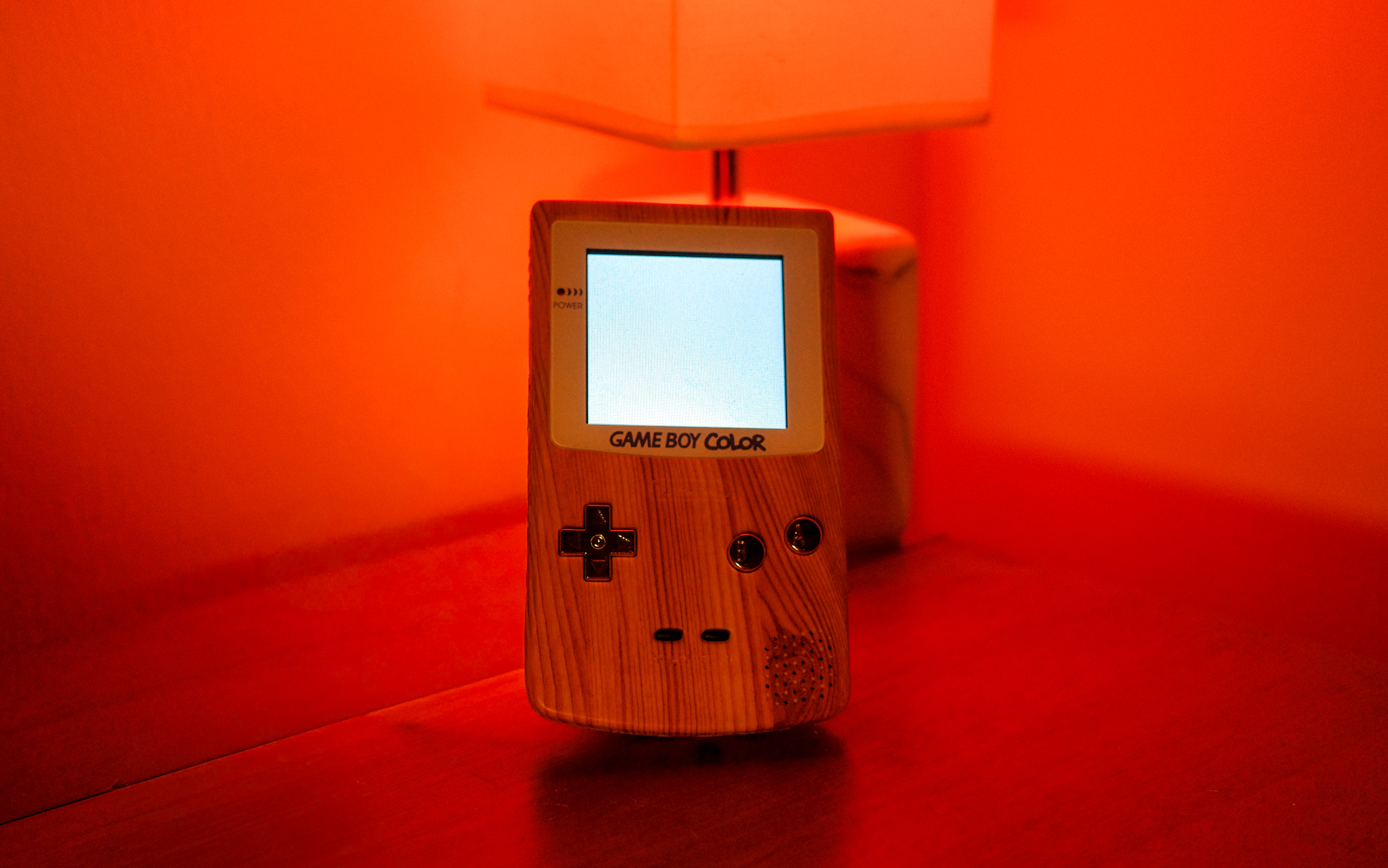
While I was waiting, my Game Boy Color was sitting on the side table. I picked it up, flicked the power switch, and aside from the blip of the developer logo and start screen, I was playing Pokemon Blue in ten seconds flat.
I thought about how vastly different those two experiences were. The friction involved with the modern device — charging, firmware, restart, game updates — versus the Game Boy’s worst case scenario: two dead AA batteries and some digging through a junk drawer. It’s something we take for granted now. That our old devices were so simple. That our new ones are so sophisticated.
Now, you might say — sure, but that’s not a fair comparison. The Steam Deck is a portable Linux PC. The Game Boy Color is a plastic brick from 1998 with a single processor and no internet connection. And you’re right. They’re not the same class of device.
But that’s almost the point.
The Game Boy didn’t need to be a Linux PC. It needed to run Pokemon Blue. And it did that in ten seconds flat, every single time, with zero negotiation. The Steam Deck needed an hour and a half to do the same job — get me into a game. The gap between those two numbers isn’t a hardware problem. It’s a design problem.
As a UX designer, I think about this in terms of a ratio: usefulness versus complexity. Every product has one. The lower the complexity relative to what you actually get out of it, the better the experience. The iPod Classic is a masterclass in a low ratio — one click wheel, one job, perfect. Sony’s MiniDisc players from the late nineties got close too, though the format never caught on. These were tools that knew exactly what they were for, and shaped themselves entirely around that purpose.
Modern products have inverted this. The complexity has outgrown the usefulness. Not because engineers are careless, but because the incentive shifted. Features became the product. The ability to do everything became the selling point, even when doing everything meant doing nothing particularly well. A smartphone is the most extreme version of this: camera, journal, map, bank, casino, social network, all in one pocket. It does all of it. It excels at none of it. And because it never has to choose what it is, you never get to choose what you’re doing.
The friction isn’t just inconvenient. It’s disorienting. When a tool doesn’t know what it’s for, you don’t either.
Here’s what makes this hard to argue cleanly: the Steam Deck is better. Objectively. It runs thousands of games. It can emulate the Game Boy Color. It streams, it mods, it does things I couldn’t have imagined in 1998. The complexity isn’t a bug, it’s the whole point. And Spotify genuinely does have every song ever recorded, accessible in seconds, for less than the cost of one CD a month.
So the question isn’t whether new tools are more powerful. They are. The question is what we traded to get there. And what we traded, mostly without noticing, was the experience of picking something up and immediately being inside it. No negotiation. No maintenance. No relationship to manage. Just the thing itself.
The Game Boy didn’t know about the internet. It didn’t have a server to check in with. And it didn’t need your permission to be ready. It just was.
Maybe that’s what the analog bag is actually about. Relief. Relief from tools that need tending. Relief from the slow drip of maintenance that modern technology asks of us before it gives anything back.
We keep calling it nostalgia. But I don’t think that’s quite right. Nobody actually wants to go back to 1998. What they want is to pick something up and have it work. To use a tool that knows what it’s for. And by extension, lets you know what you’re for in that moment.
The Game Boy knew what it was. That clarity is rarer now than it’s ever been. We feel the absence of it every time we sit down to do one simple thing and spend an hour doing everything else first.
If this resonated, forward it to someone who’s been thinking about going dumb-phone.