AI won’t eliminate craft. It will separate operators from authors.
The last time a medium destabilized like this was when film gave way to digital.
Music photography is the reason I picked up a camera. As a kid I would cut out and collect Anton Corbijn photographs from Rolling Stone and NME. Hi-res spreads of my favorite bands from Japanese magazine Ray Gun felt like contraband. When film started giving way to early digital, something shifted. The grain didn’t disappear overnight, but I remember when it stopped being default. And the anxious optimism of that late-’90s era feels strangely familiar.
We’re in that kind of moment again.
AI is reshaping how images are made, distributed, and compressed into feeds. And if the late-’90s taught us anything, it’s this: when a medium destabilizes, taste matters more — not less.
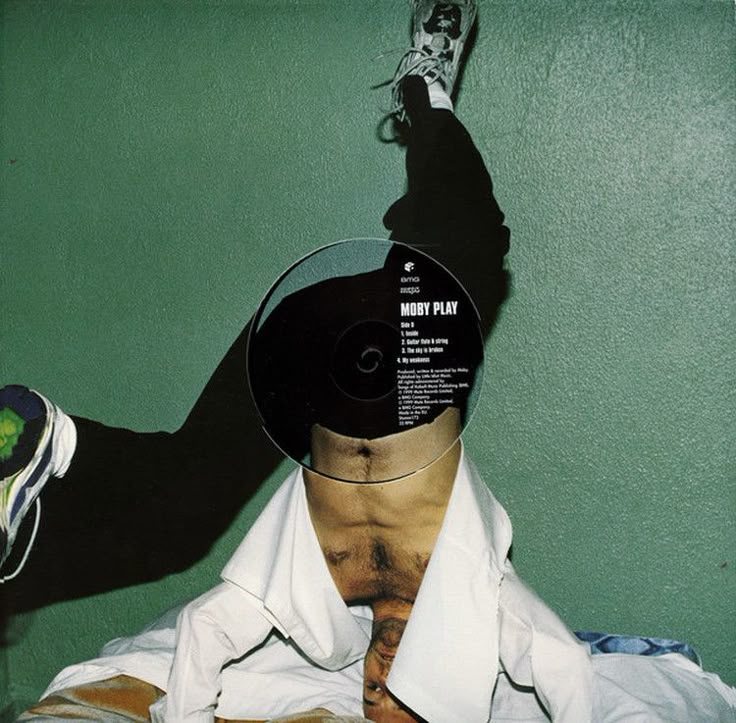
Moby - Play (2000) (Credit: Corinne Day)
The term**Gen X Soft Club** describes the era from the late ’90s to the mid‑2000s when film grain collided with early‑digital chrome. Design programs - now newly digital - enabled designers to bust typography out of its proverbial box. Photographers and cinematographers produced music videos and magazine covers that looked as cinematic as Fight Club or The Matrix. Culturally, it was a moment before everything became optimized by the internet - leaning into film‑grain textures, hazy gradients, and club‑culture vibes tinged with a dash of pharma‑era futurism.
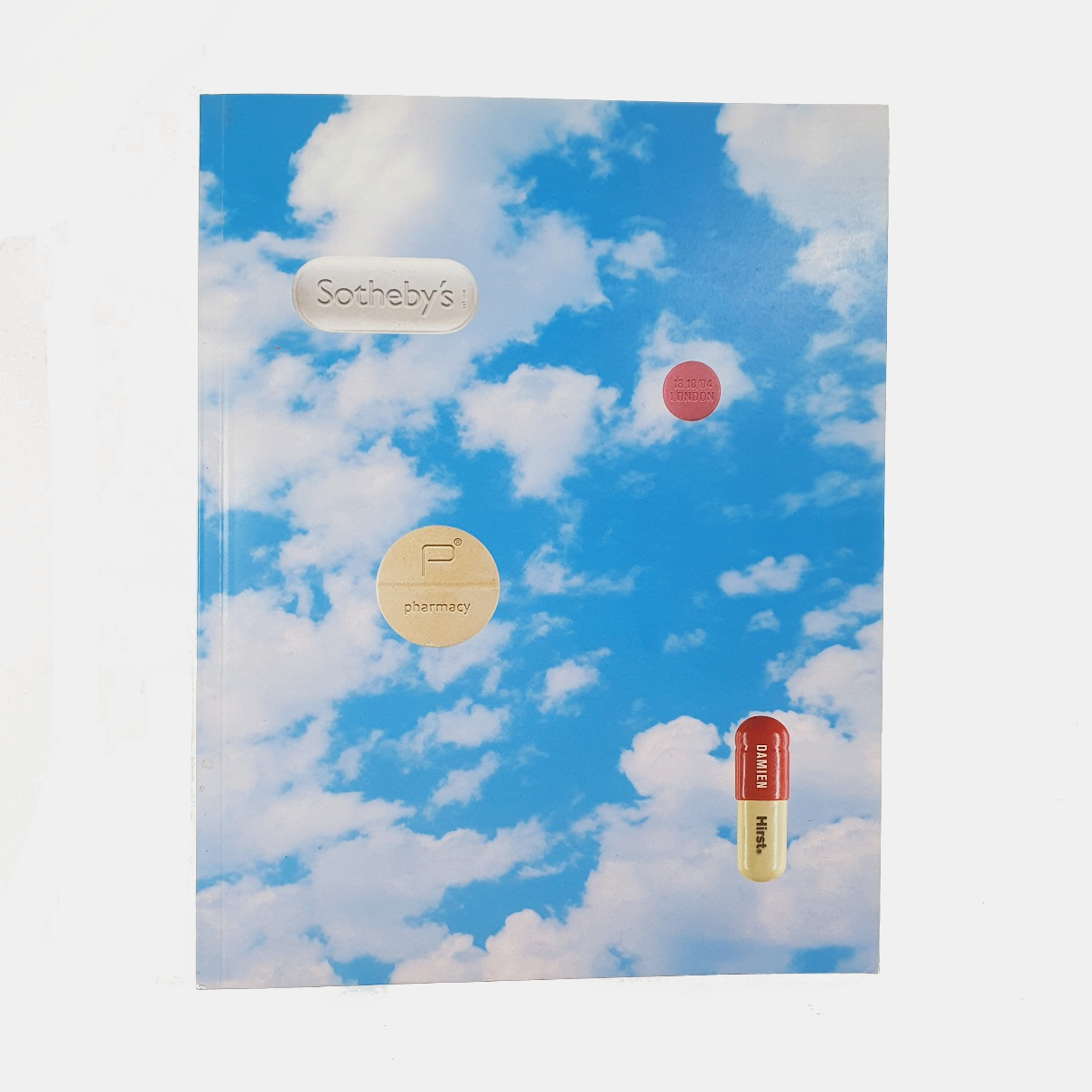
Damien Hirst - Pharmacy (1992
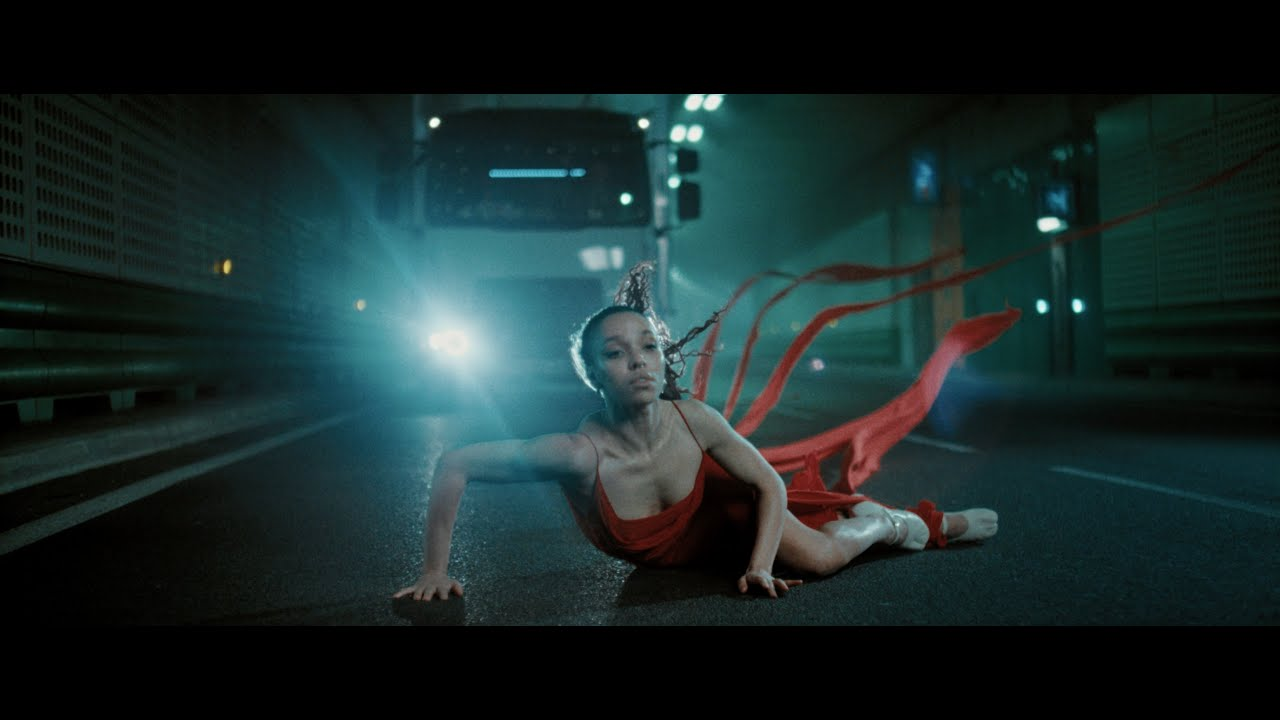
FKA Twigs - Striptease MV (2025) (Credit: Jordan Hemingway)
But the aesthetic didn’t vanish. It mutated. From Tabber’s Deep End Mixtape to FKA Twigs’ 2025 album Eusexua, grain and chrome are colliding again — not wholly as nostalgia, but as resistance to feed-perfect polish.
Ray Gun in particular captured this aesthetic perfectly… Blur, haze, and soft focus were deliberate visual choices rather than accidents.
As an aesthetic, Gen X Soft Club was palpably pre-social-feed, pre-influencer — before everything was flattened to perfect resolution. The visible grain, imperfect light, and the flat blacks of film feel rebellious now that algorithms smooth everything out.
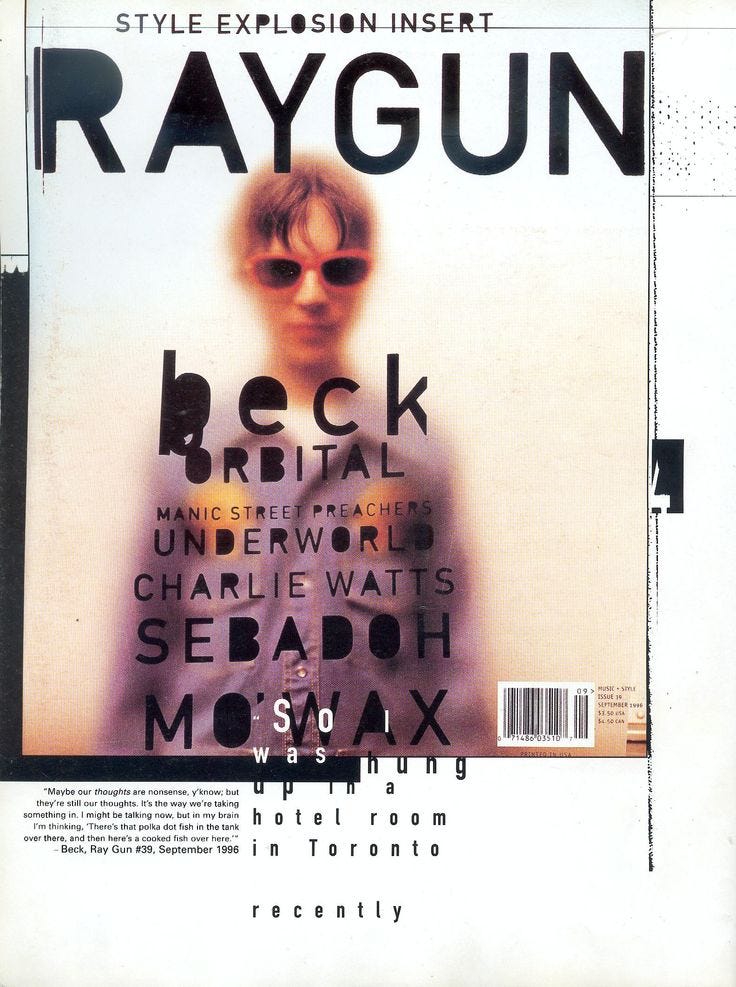
Beck on the cover of Ray Gun (1996)

Placebo - Every You Every Me (1999)
When a medium destabilizes, three things happen.
Liminality breeds invention When tools shift, creators push edges. AI won’t eliminate craft. It will amplify it — or expose its absence.
Friction builds judgment Film forced restraint. You couldn’t overshoot endlessly without consequence. Every frame cost money. AI removes friction. That means you must reintroduce intention manually.
Rebellion is cyclical. The flattened feed mirrors early pixel-perfect digital minimalism. Refreshing at first, but tired after a while. In this way, grain, glitch, and dithering are a kind of resistance.
—
Taste isn’t just preference.
It’s also restraint under abundance.
What Ray Gun did for the late ’90s, someone will do for the AI era.
The question is whether you’re documenting it, or just consuming it.