About a year ago I was surfaced a YouTube video that caught my attention – “Join the Indie Web.” I clicked on it, intrigued by what the “indie web” (or “small web,” as it’s sometimes called) actually was. What I discovered were young people building personal sites on a service called Neocities.
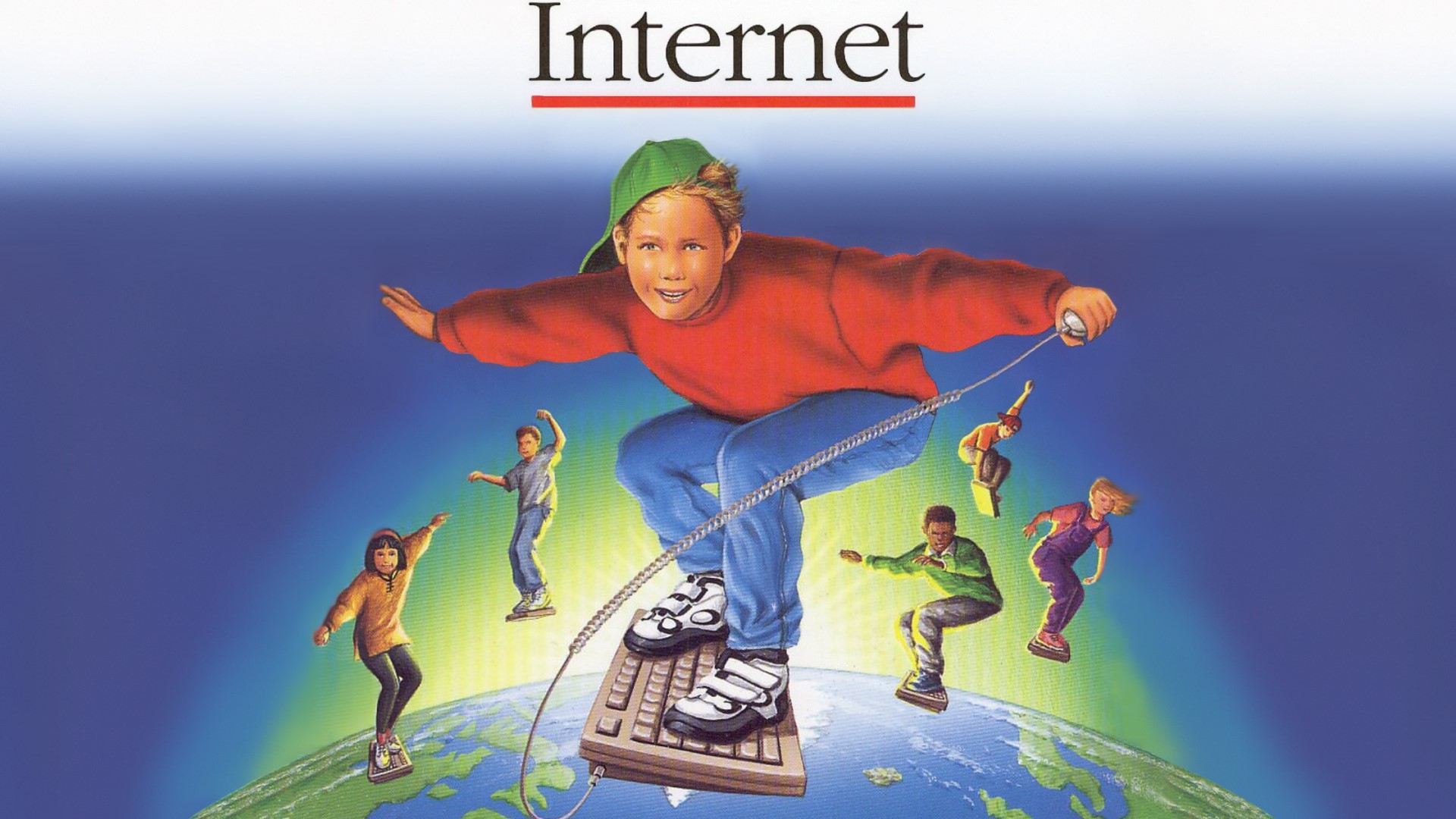
Like its Web 1.0 predecessor GeoCities, Neocities lets users build and host their own pages, many of which are bedazzled with early‑web aestheticism in all its glory—“blinkies” or blinking GIFs, URL web rings (remember those?), micro‑blogs, and homepage notes that read, “Sorry, guys, I haven’t updated in a while…”. Neocities harks back to my early childhood, when I built hobby sites and my own blog (yes, this was pre‑LiveJournal and Blogger). I deconstructed complicated table layouts by viewing the source code of my favorite sites, trying to reverse‑engineer cool designs I’d seen. Little did I know that this trial‑by‑fire way of learning to code would become my career—I did it simply because I could. Putting “hello, world” on the internet felt like the perfect project for a shy, nerdy kid.
As an introverted creative, many of my closest friendships lived online. I shared thoughts and art with fellow fans on bespoke music forums, even joining a yearly mailed holiday‑card exchange with fans worldwide—all because we loved the same band. Those internet “pen pals” might seem odd to some, but they helped me forge deep connections with people from radically different places and gave me a sense of community that feels foreign to today’s mainstream social media.
In fact, that deep bond to music was how I met my partner IRL (also a music‑forum regular). We bumped into each other in a concert queue, later reconnected when they found my YouTube footage and reached out. Those are the kinds of friendships I cultivated online—and then brought into real life—in what you might now call Web 1.0, pre‑smartphone days, when Instagram was barely a thing.
A little over a year ago I attended an Indie Web virtual meetup as a personal challenge to meet more people. To my surprise, I was surrounded by many like‑minded individuals—tech‑savvy, queer, and interested in a decentralized internet, ownership of content, and privacy—but mostly just making sites about the things they were passionate about. For fun. Because they wanted to. It felt very punk‑rock, operating outside the walled gardens of corporate platforms like Instagram, Facebook, and TikTok. I remember thinking, this is exactly what I’ve been missing but couldn’t describe.
My disillusionment with the mainstream internet began shortly after 2022, when Twitter and Instagram started feeling toxic, Tumblr was largely dead, and the relentless doom‑scrolling of bad news 24/7 fried my limbic system.
Using search engines like wiby.net or lurking on vapor‑wave music forums has become a reprieve from the usual brain‑drain of TikTok or Instagram. It’s messy, disorganized, and—best of all—makes it easier for me to be critical about sources when there are no likes, up‑votes, or algorithmic push. Am I feeding rage‑bait? A conspiracy theorist? Or simply having a philosophical dialogue with other humans (not bots) who can disagree without reducing everything to a one‑liner for clicks? The best part is I can drop the “small web” whenever I’m bored, just like I used to.
Given recent news about internet ID and privacy, I think returning to these small indie spaces—bespoke communities outside the dark forest of Facebook, TikTok, Instagram, etc.—is increasingly important for preserving our integrity of thought, freedom of speech, and, most importantly, our sanity and digital literacy.
To quote Digital Minimalism author Cal Newport in his recent newsletter summarizing our current moment in internet‑culture:
“As the platforms of the digital attention economy transition from social‑network models to providing maximally distracting short‑form videos, more of the content online is devolving toward that paragon of low‑quality forgettability, commonly referred to as slop. Who will listen to a podcast or read a long essay, many now fret, when Sora can offer countless videos of historical figures dancing and X can deliver an endless sequence of nudity and bar fights?”
I would argue that many people, given the right resources, will seek out indie spaces as a refuge from slop and low‑quality content.
If you’re interested in learning more about the indie web, 32‑bit Cafe has a solid starter resource for anyone wanting to launch a personal site, publish a micro‑blog, or simply explore the indie web:
https://discourse.32bit.cafe/t/resources-list-for-the-personal-web/49
To quote one of my favorite songs by Darren Hanlon, “Punk’s not dead, she’s just gone to bed.” The same can be said for the internet you used to love—it’s still here, on the indie web—you just have to look for it.