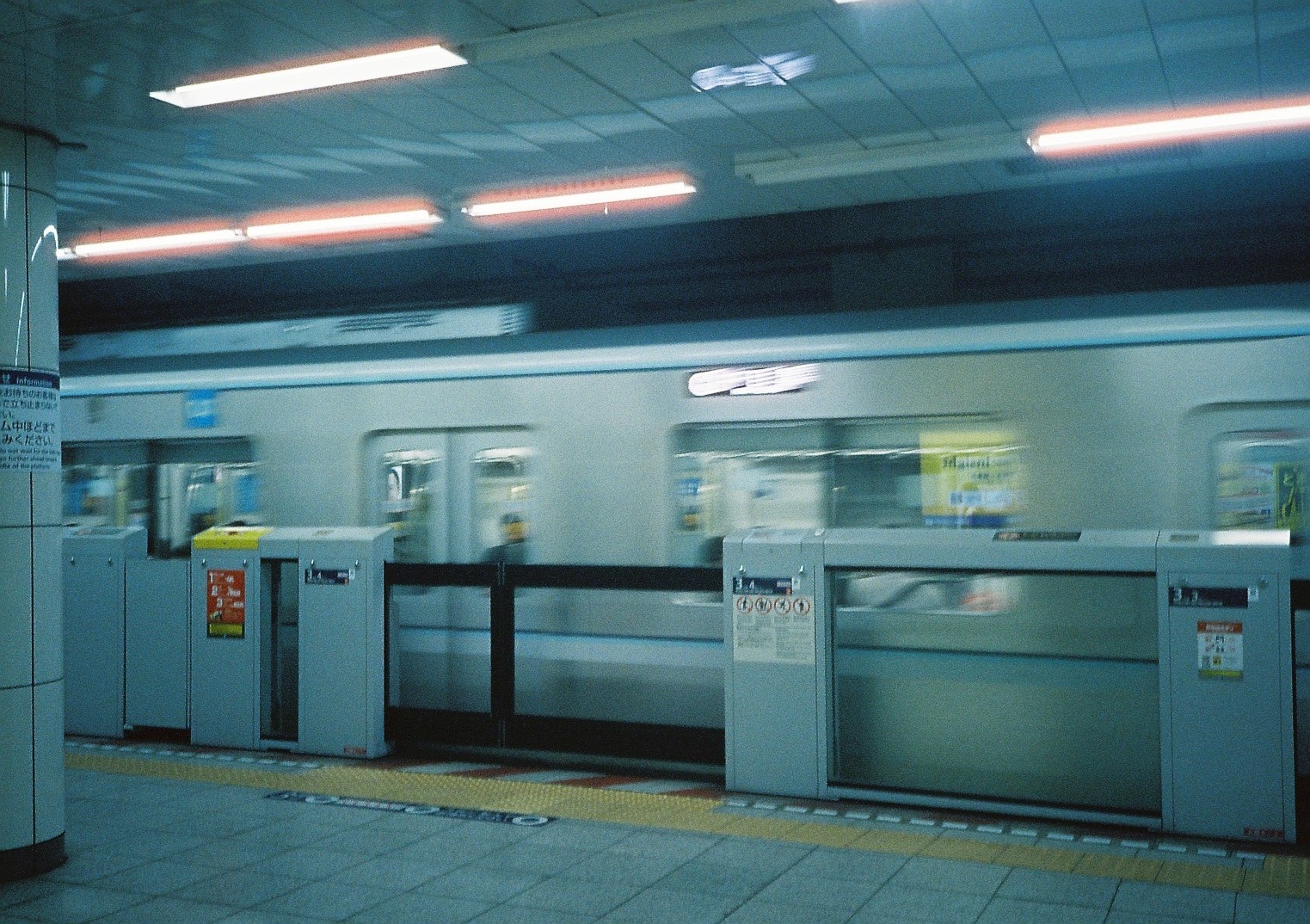
I. Arrival
I landed in Tokyo feeling neither here nor there — suspended somewhere over the Pacific still, between a life that had just collapsed and one that hadn’t started yet.
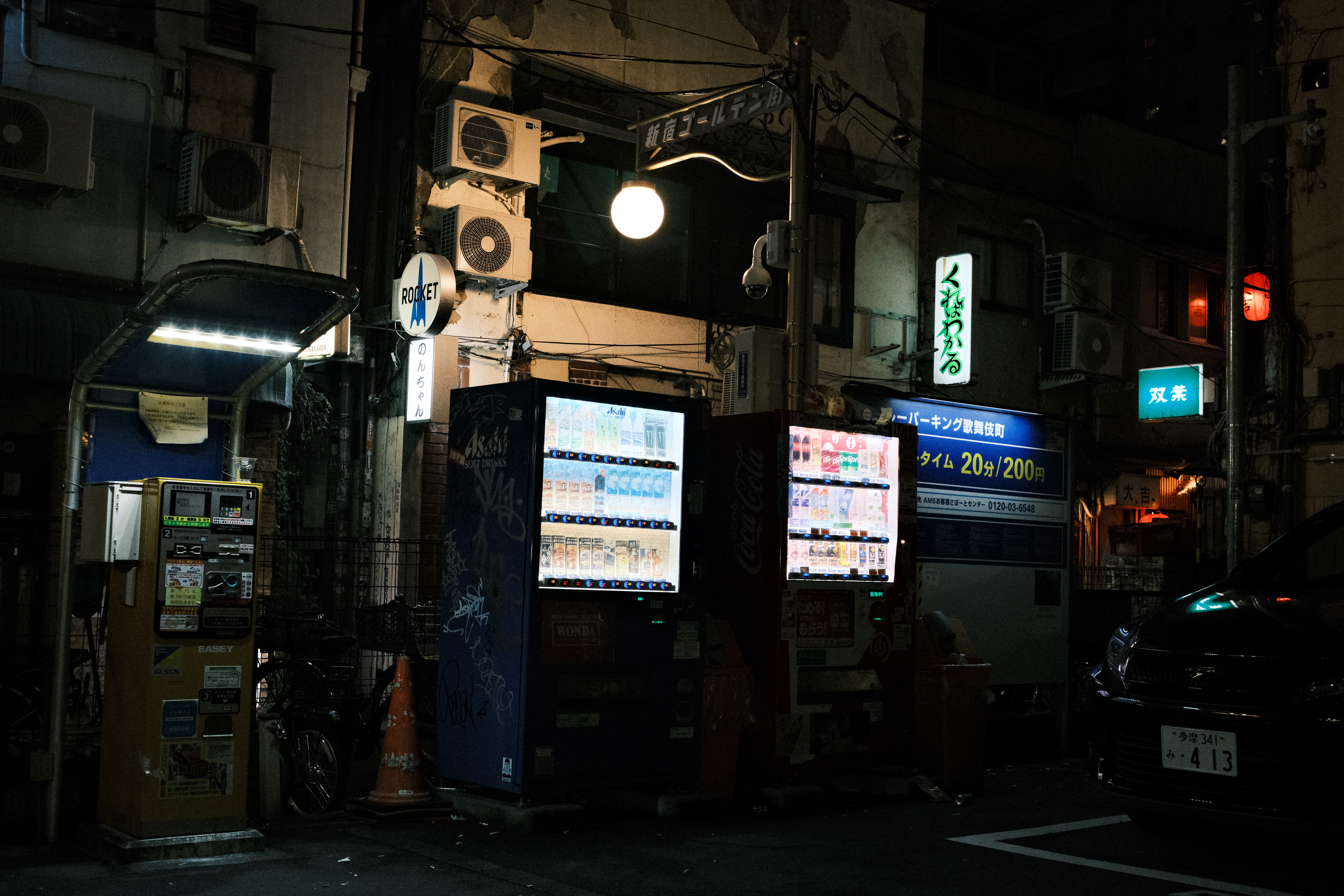
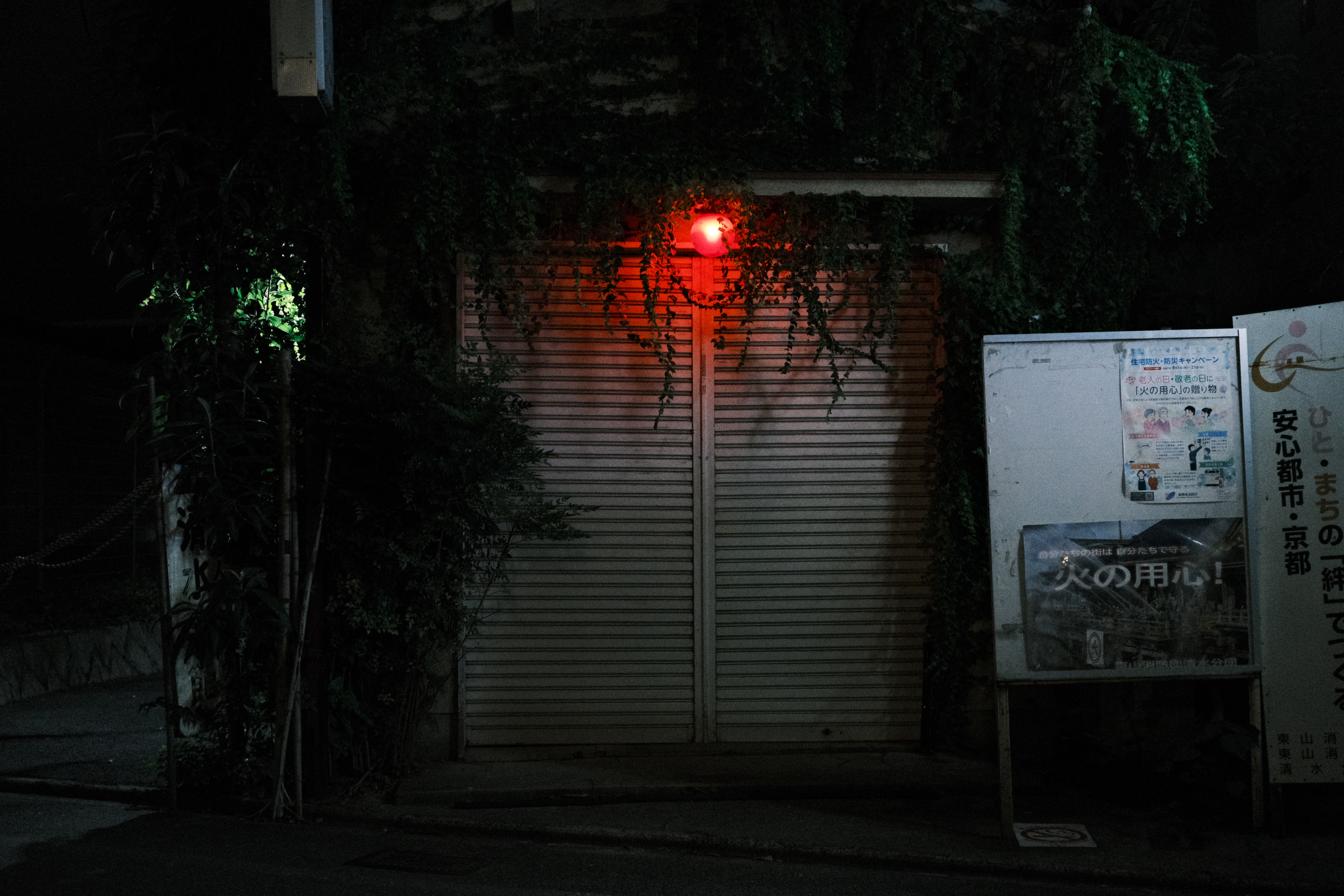
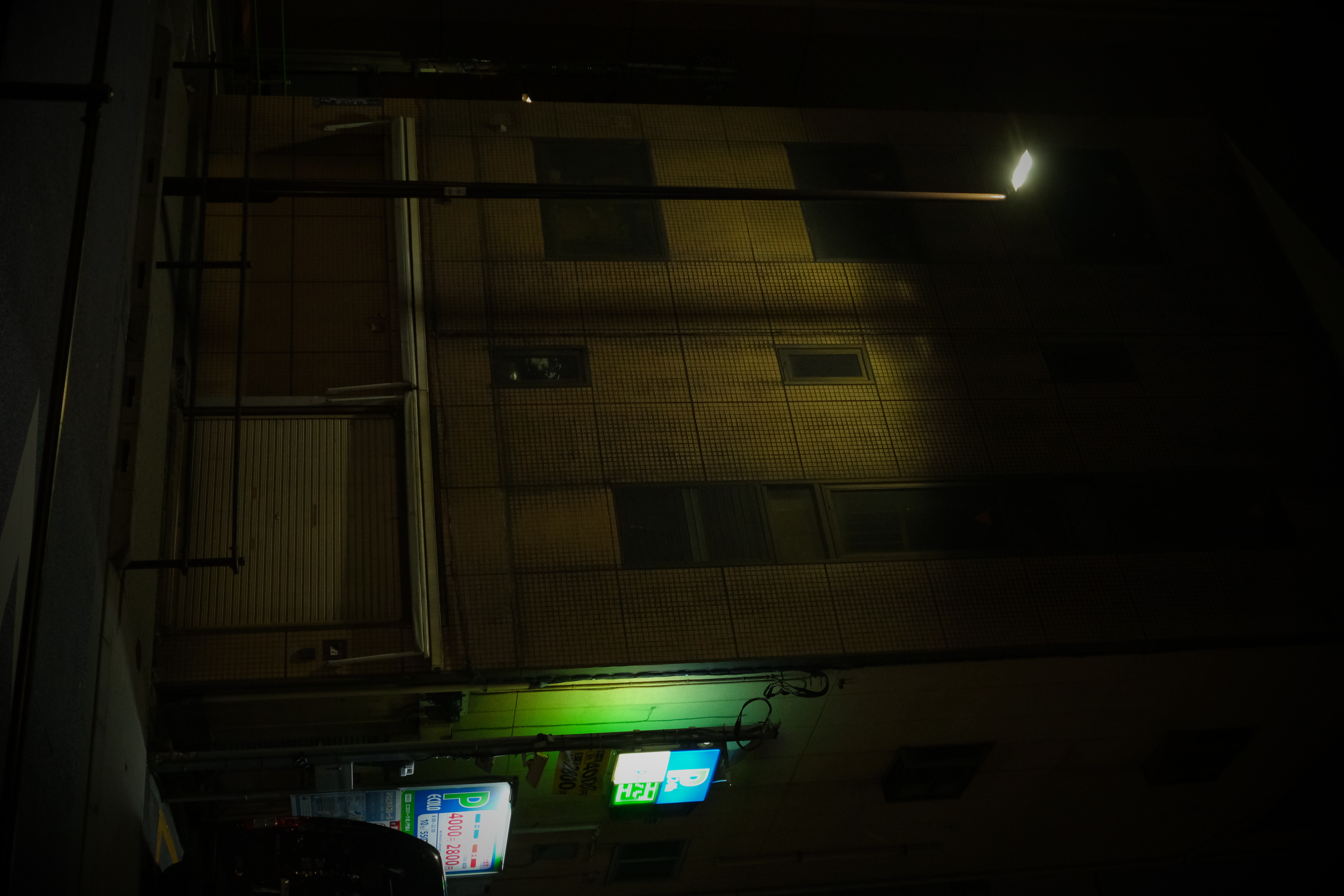
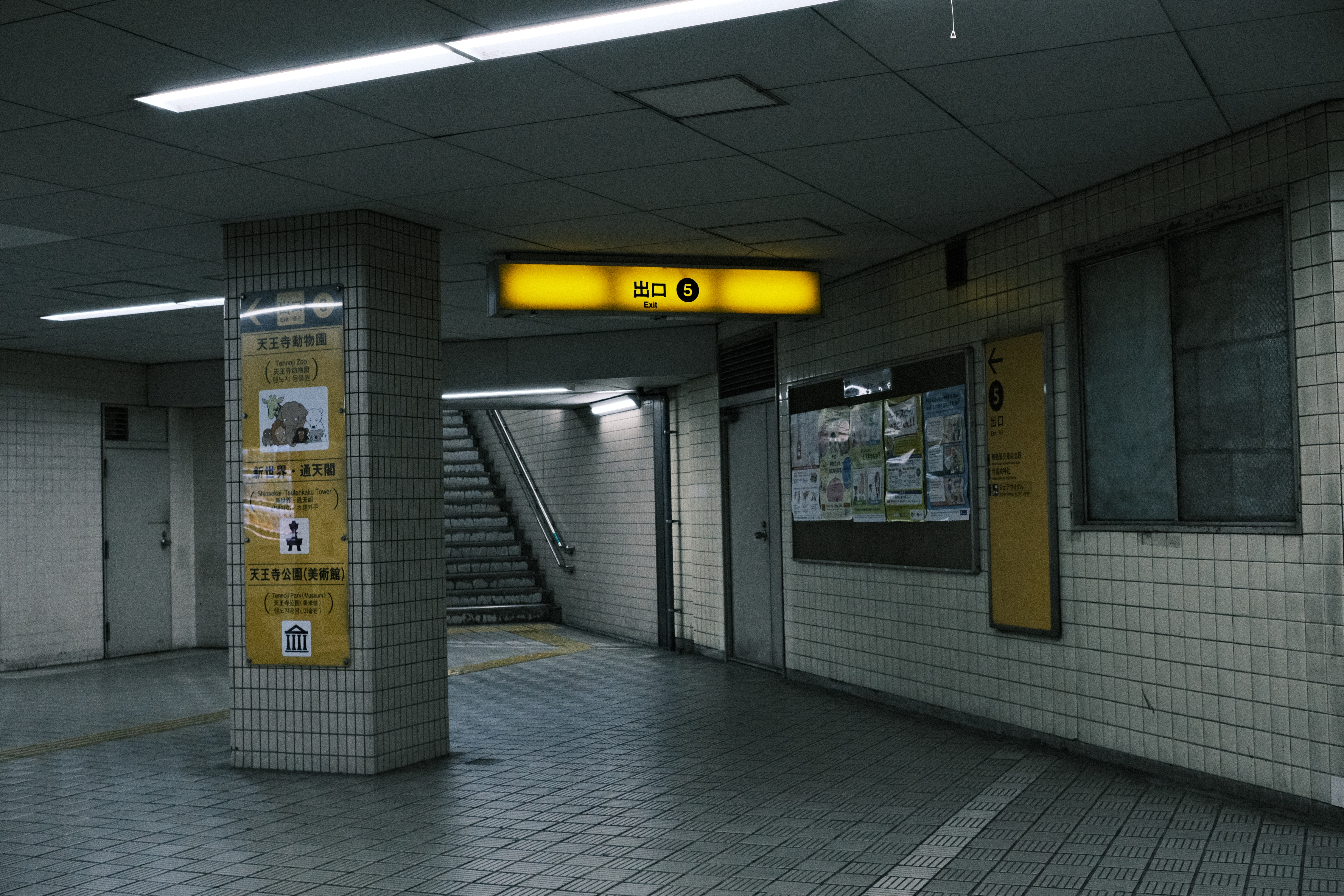
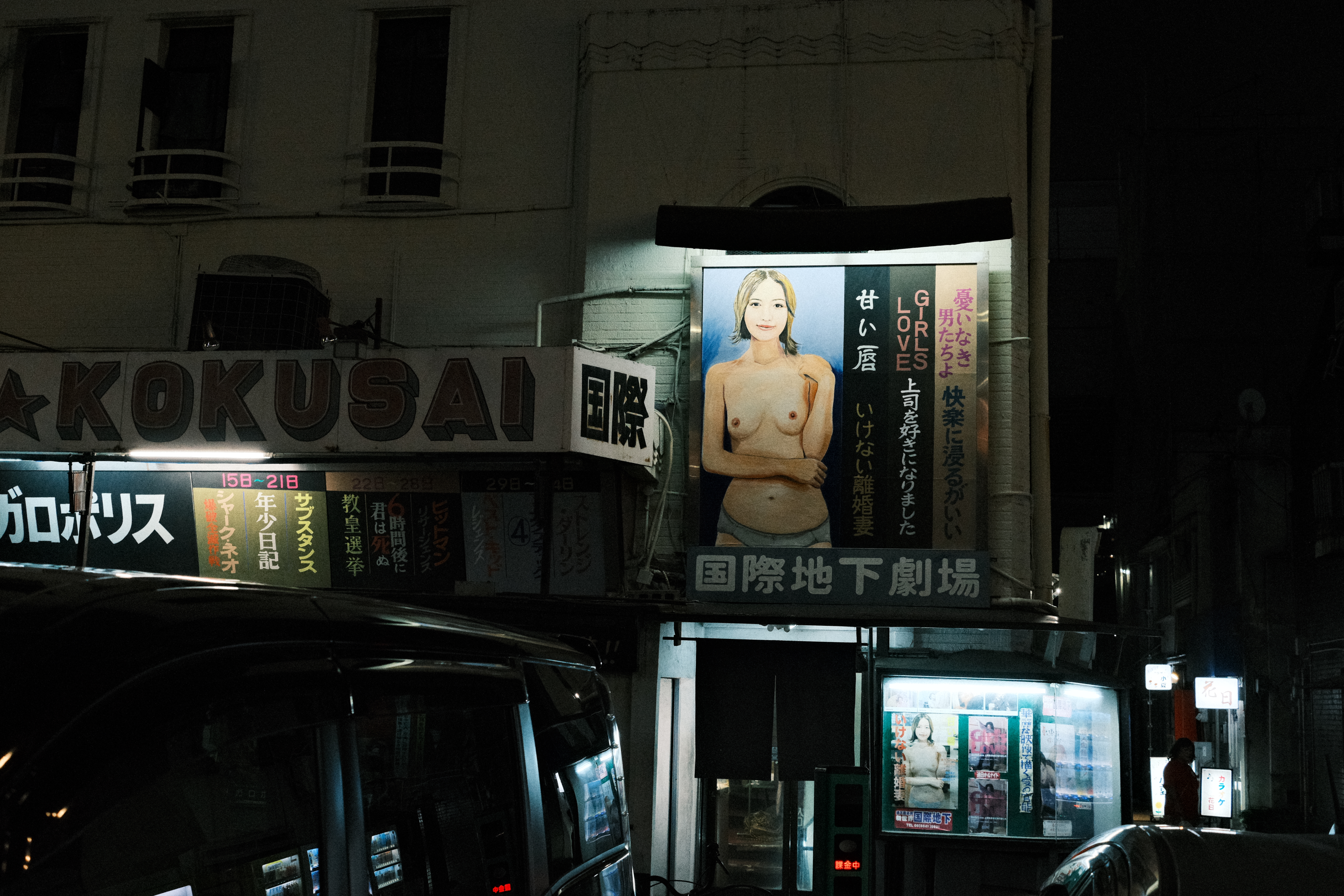
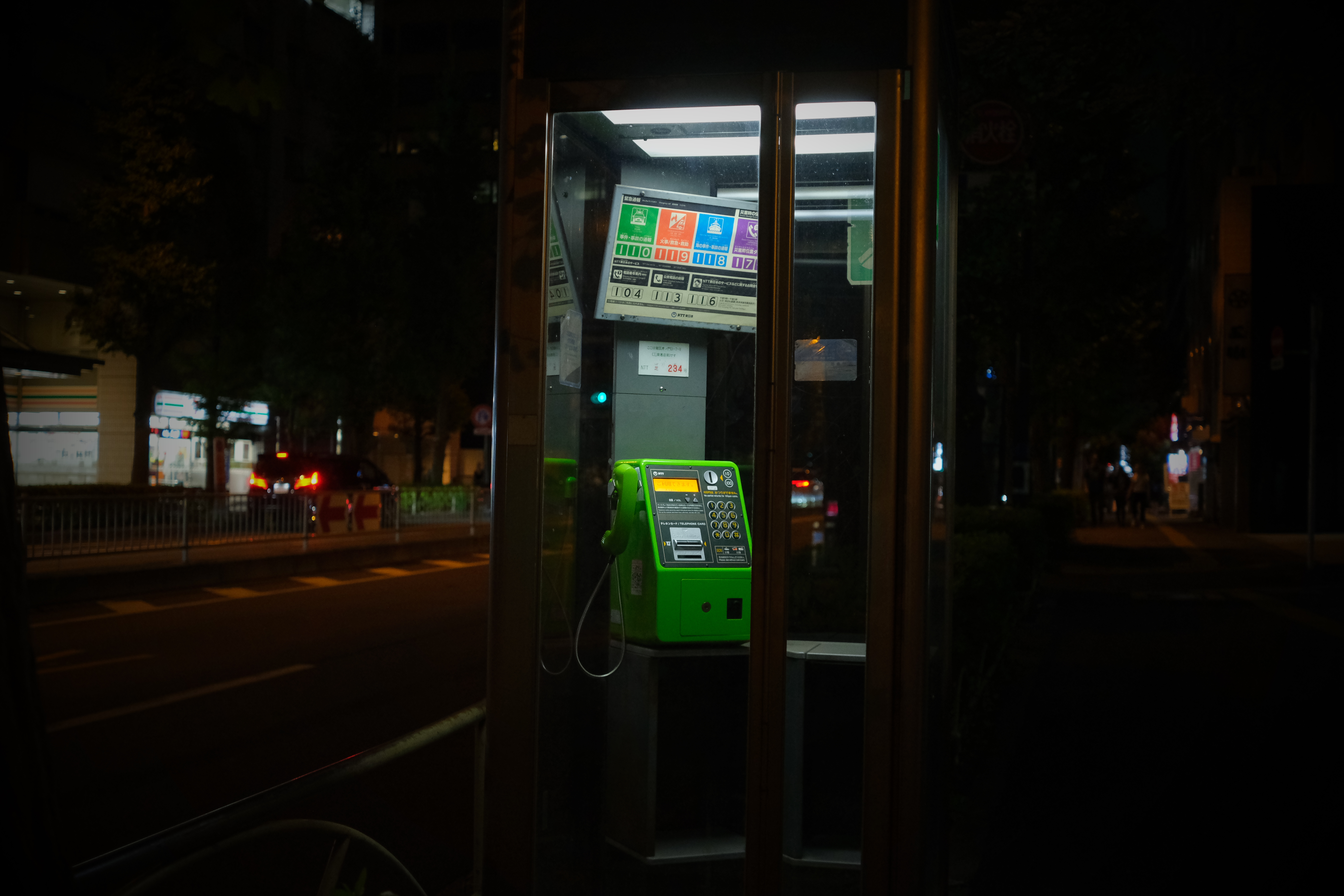
Japan is a country of thresholds. Subway stations at night. Lone green pay phones glowing under tungsten light. Shrine paths. Vending machines at dawn.
The Japanese have a term for it — mono no aware (物の哀れ) — “the pathos of things,” a sensitivity to ephemera. It’s the quiet ache that comes with seeing the impermanence of everything, and still finding it beautiful.
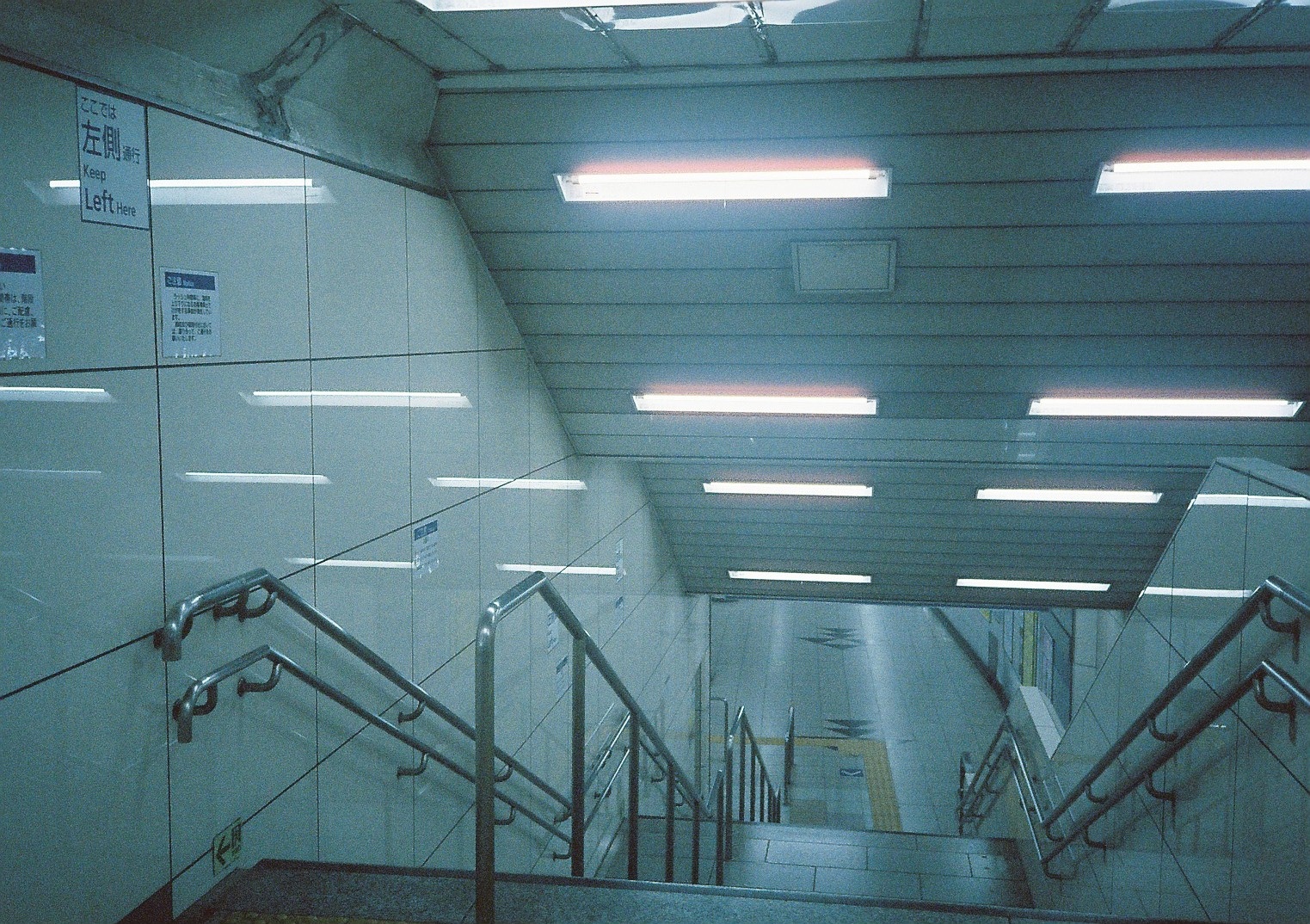
II. The Year of In-Between
Everything changed, but life kept asking for logistics — probate forms, estate tasks, performance reviews. Flights to my childhood home. Flights across the country for work. For weddings. Planning my mother’s funeral over email, behind a cold LCD screen.
Trying to summarize a life that couldn’t be summarized, but had to be.
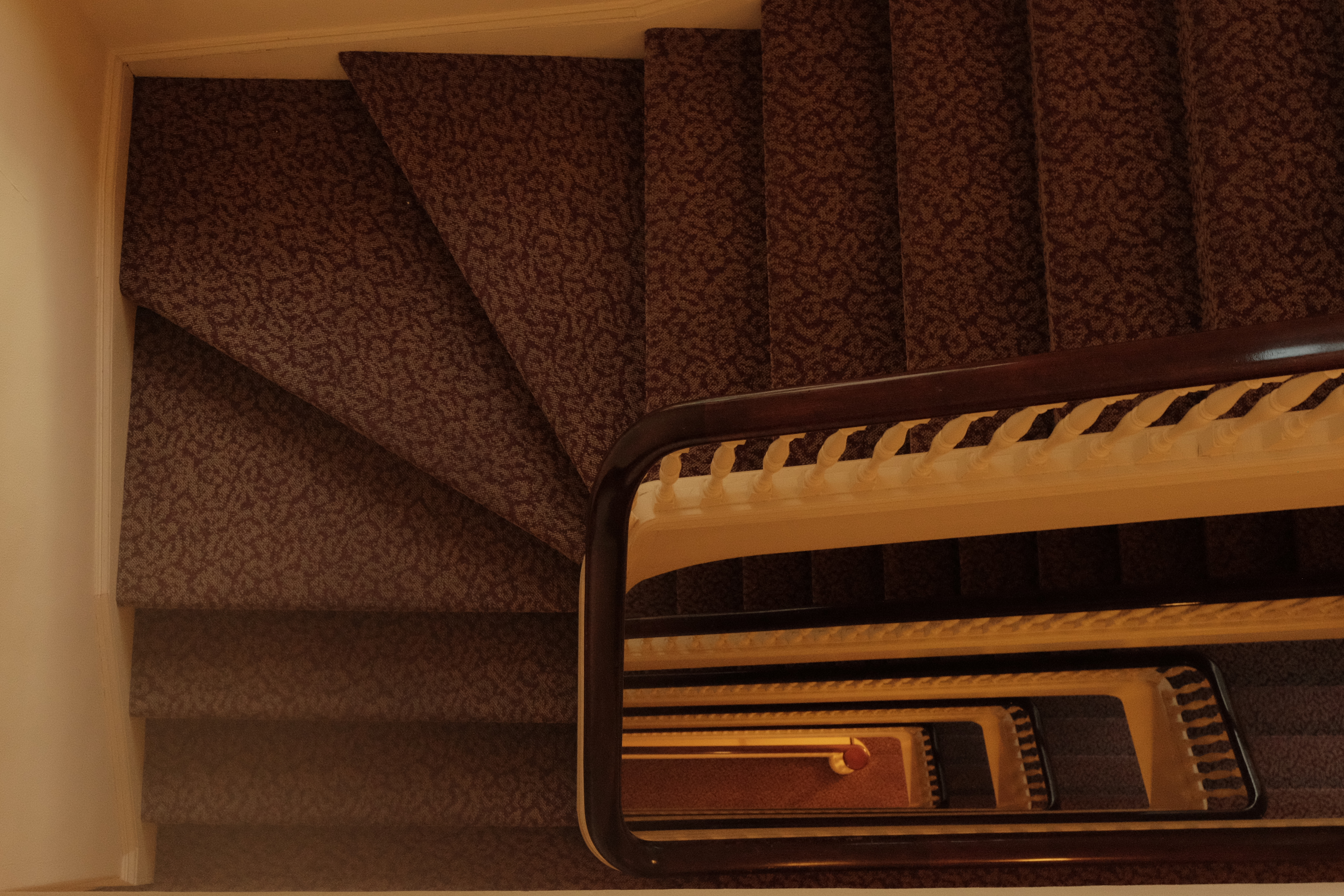
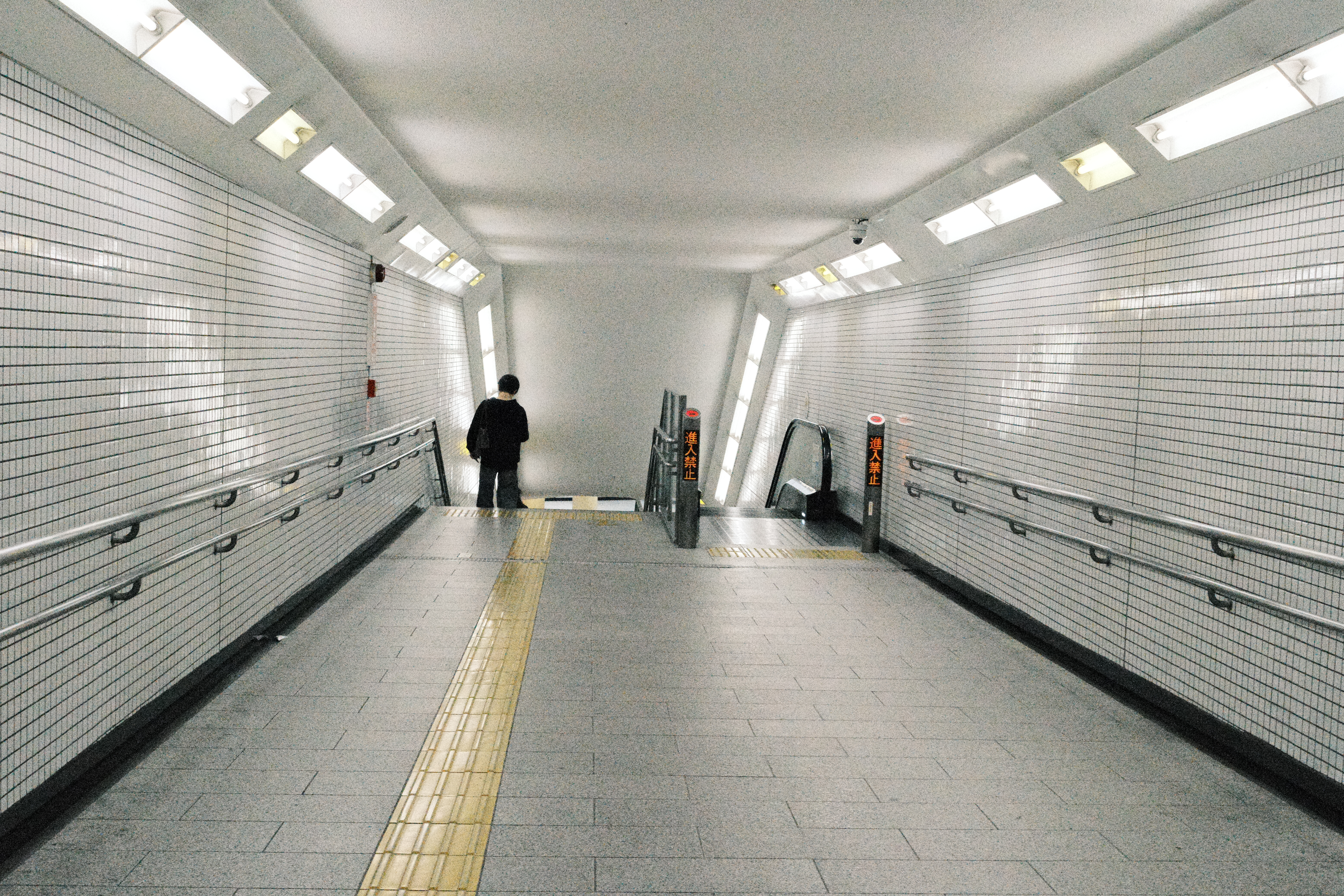
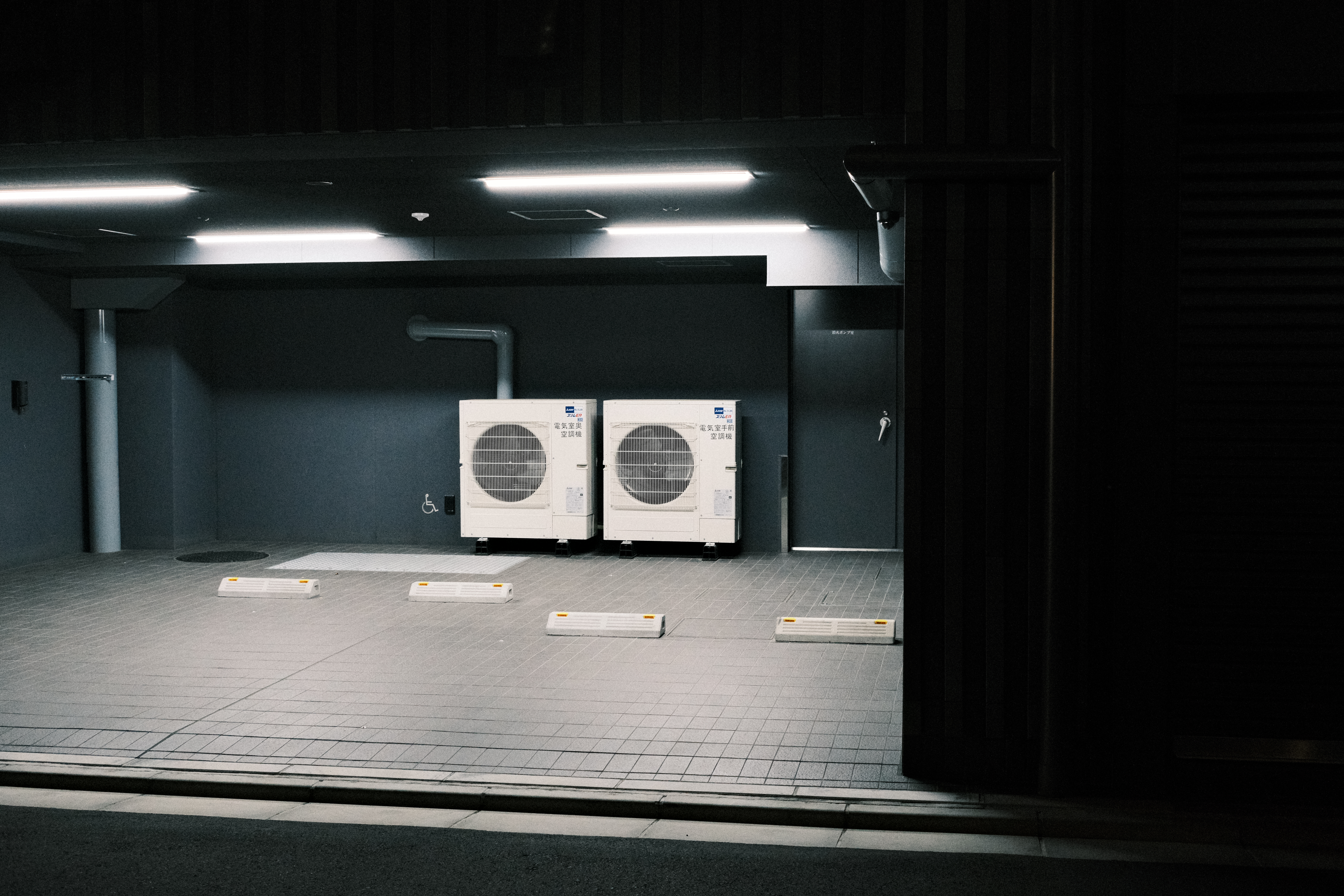
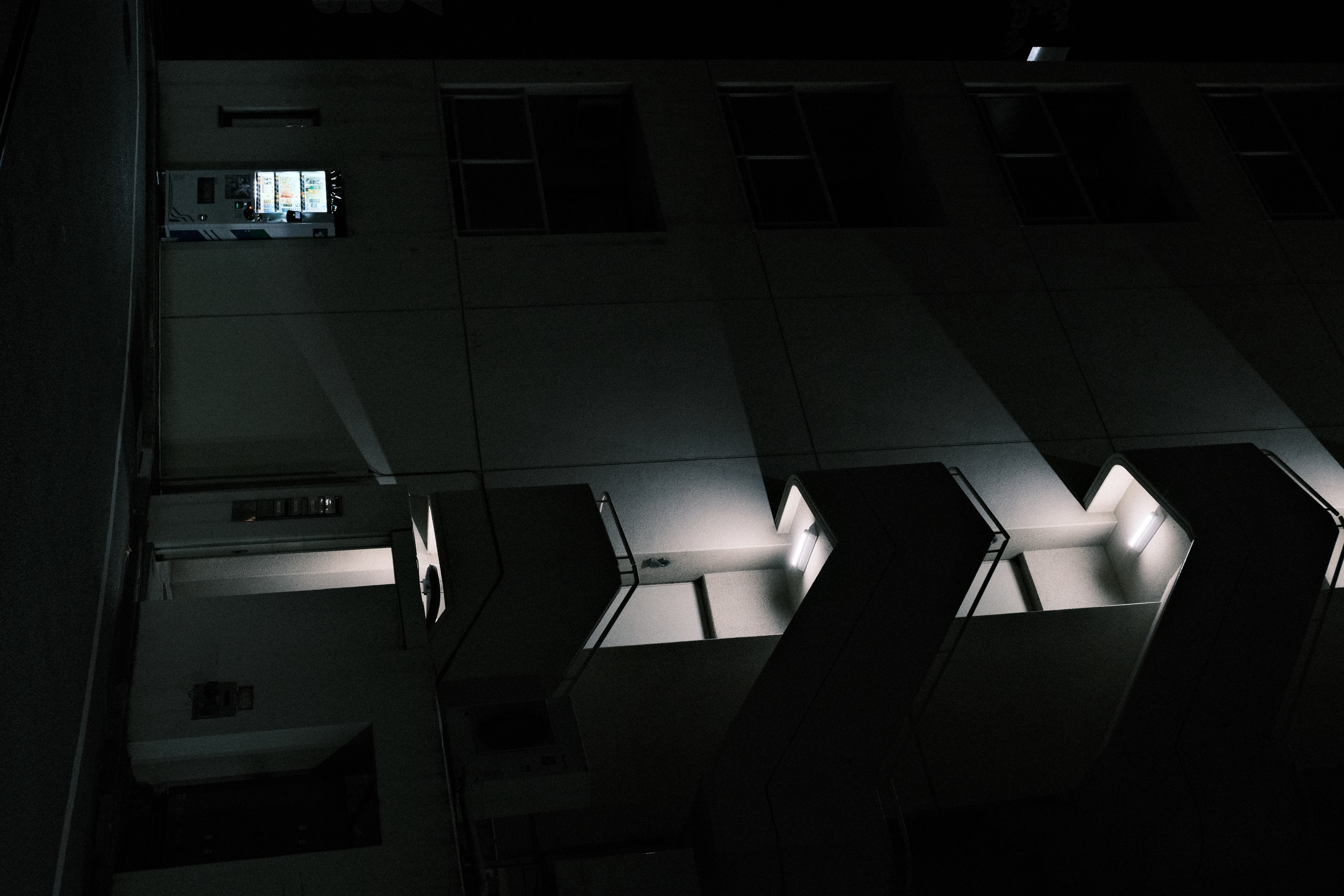
In Japan, you’re always between spaces. Stepping onto one train and off another. Lost in the subterranean web beneath Tokyo. Midnight. Two a.m. Brief moments of silence between arrivals where not a soul exists.
III. Ancestors and Paper
In Buddhist thought, when your ancestors pass away, their spirits linger — tethered to the threshold of their home — until guided back to the ancestral realm with offerings and remembrance.
I felt that most while cleaning my mother’s house. Holding her notebooks, her scraps of paper, her handwriting. Boxes full of faces: relatives long gone, some I didn’t recognize, yet all somehow connected to me.
I remember collapsing, realizing it was now my responsibility alone to remember them.
And as I write these words in my own notebook, I think about how my mother wrote everything down too.
IV. The Only Place That Felt Real
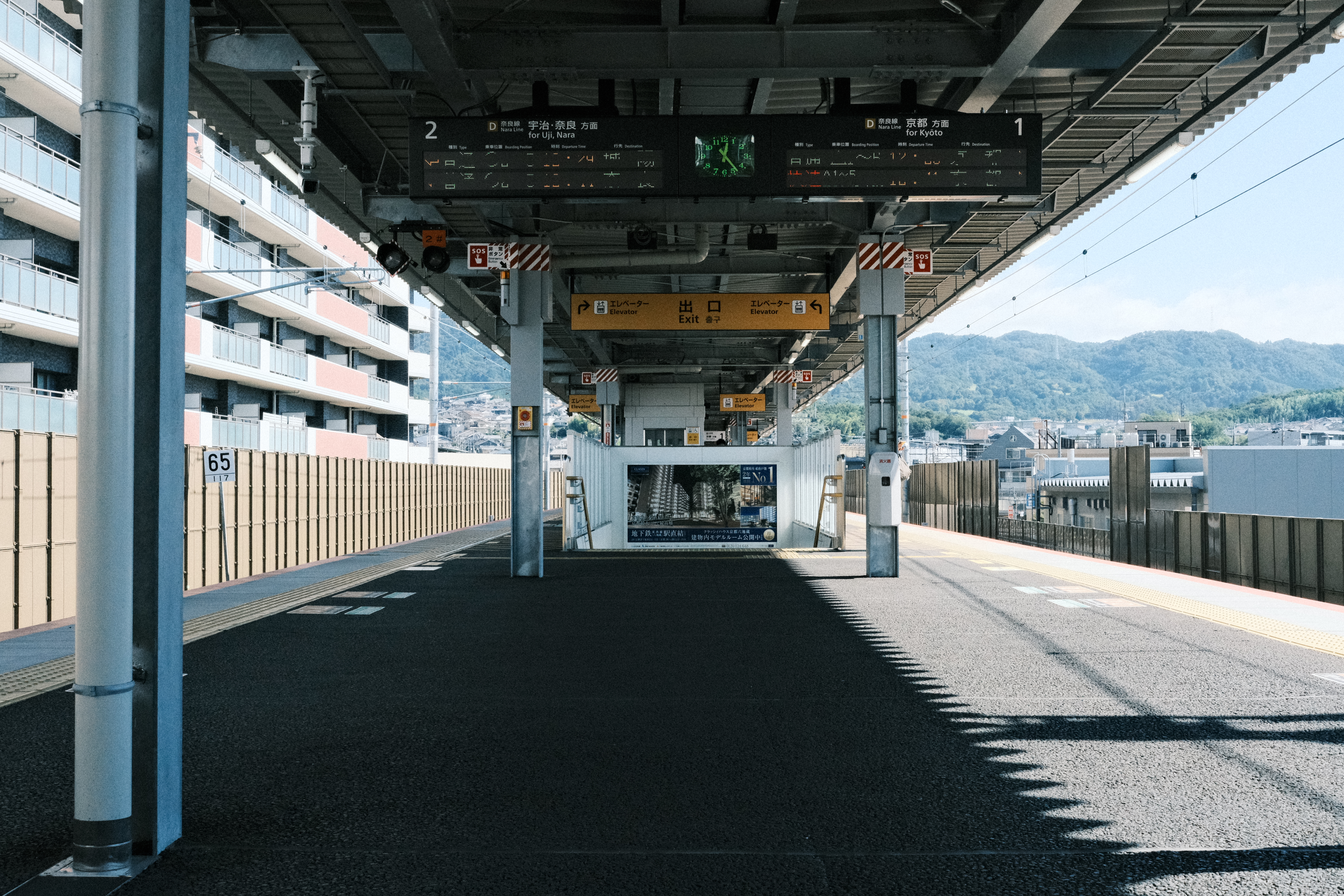
In the empty hours between trains, I finally stopped rushing to arrive. The space between things — it was the only place that felt real.
This piece is part of a series on transition, memory, and creative recovery. Written in notebooks between Tokyo and San Francisco, 2025.