One of my favorite hobbies over the past few years has been fixing and modding old handheld consoles—PSPs, Game Boys, anything that can be given new life with a backlit screen, custom buttons, or homebrew firmware. Alongside that, I’ve been drawn into the wave of “vintage digital” cameras and mini DV camcorders making a comeback on social media. At first, I couldn’t understand why anyone would want to recreate the early 2000s look—blown-out highlights, low dynamic range, CCD sensors that struggled in anything but perfect light. But after picking up a PSP camera and experimenting, I’ve found those very limitations are what make it exciting. In a feed dominated by flawless 4K, 60fps Instagram reels, there’s something refreshing—almost liberating—about leaning into imperfection.
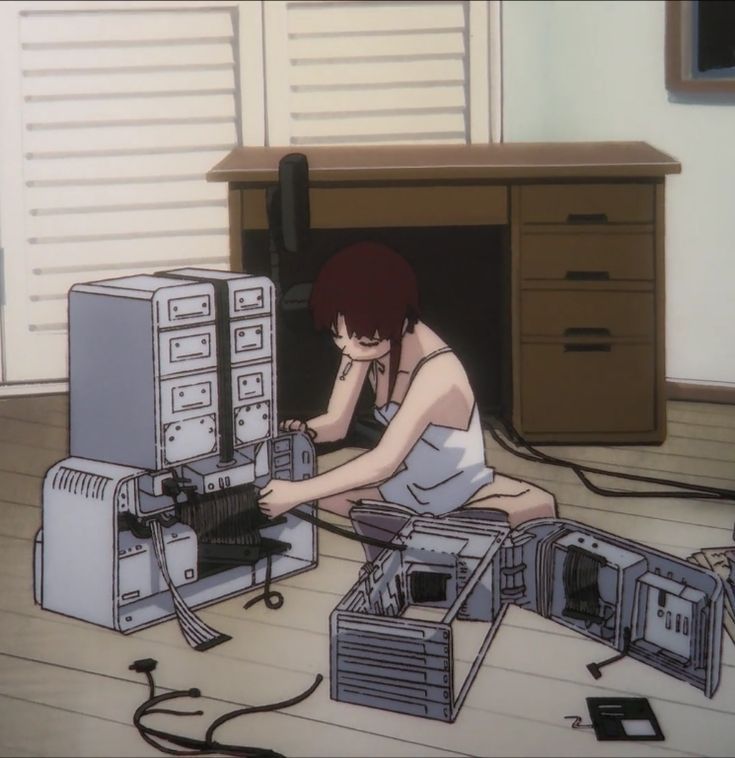
There’s something liberating about committing to a medium with no safety net—no filters, no post-production magic, just “straight out of camera.” That’s the charm of early 2000s digicams. Their CCD sensors produce images that feel refreshingly raw in a world obsessed with perfect resolution and algorithmic polish.
Film once offered that same unvarnished quality, but as costs of stock and development climb, it’s drifting further out of reach. Digicams, by contrast, sit in this sweet spot: old enough to feel nostalgic, yet recent enough to still be familiar. Their low-res quirks, blown highlights, and odd color science become features rather than flaws.
It’s easy to see why younger photographers are rediscovering them. CCD sensors, with their distinctive tonality, echo some of the charm of film—especially on models like my fav digicam Canon Powershot G2, whose colors feel closer to film than many digital cameras that came after. In an era defined by technical perfection, this imperfection feels strangely honest.
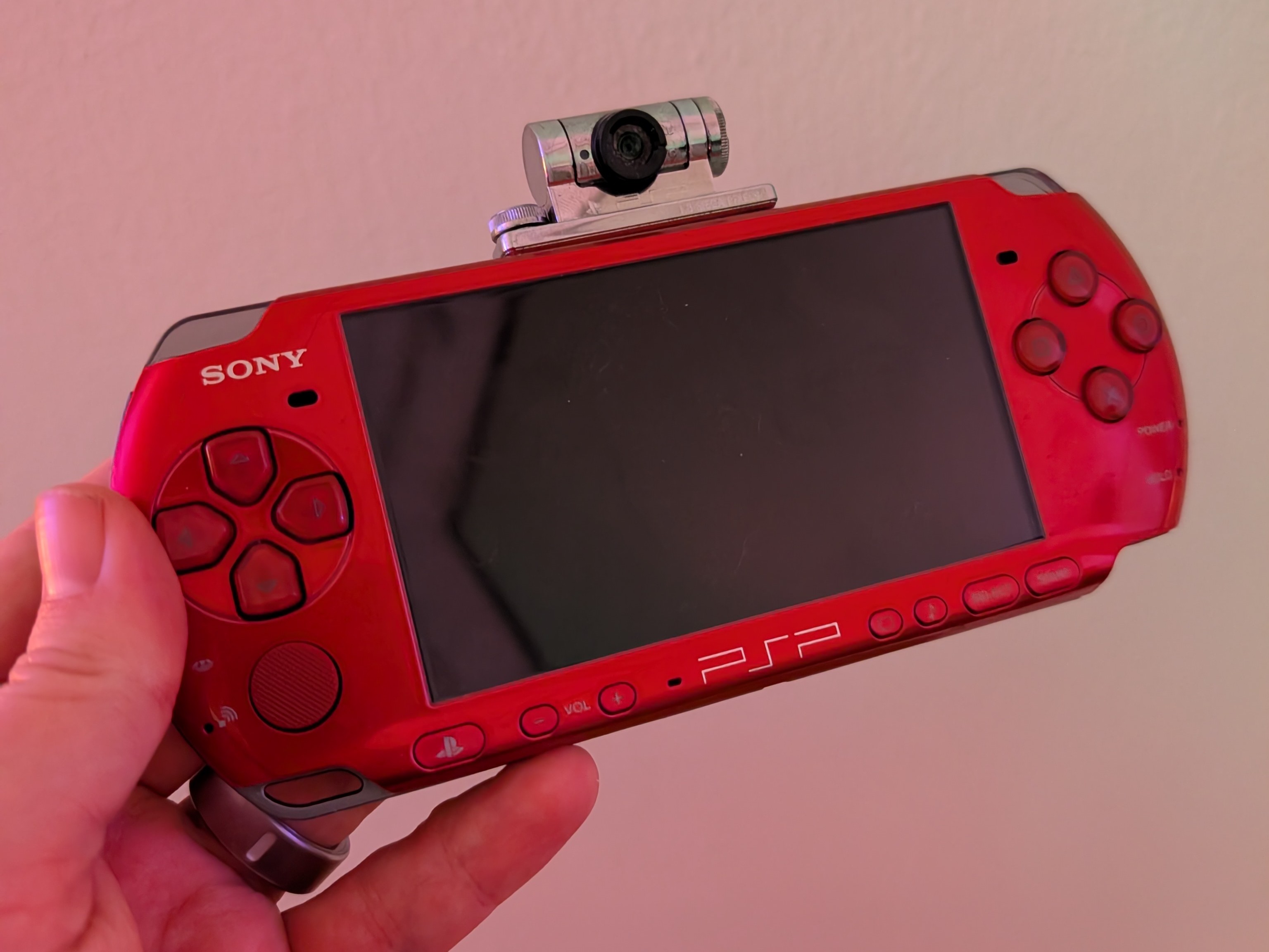
Recently I picked up a PSP camera accessory (the PSP-300 aka Go!Cam), first released in Japan in 2006. It’s a humble little thing—just 1.3 megapixels—but full of quirks. There are actually two versions of the camera, and oddly enough the original one records better video. The lens can swivel a full 360 degrees, which means you can flip it around for selfies at the same resolution—a surprisingly clever touch for its time.
The footage saves onto Sony’s proprietary Memory Stick Pro Duo cards inside the PSP. Back in the day, those sticks were everywhere, but now they’ve become ridiculously overpriced on the secondhand market. Thankfully, there are workarounds: microSD-to-Memory Stick adapters that you can still find on eBay or Amazon, or cheap USB Memory Stick readers if you already have one lying around.





From an everyday-carry perspective, the PSP camera is an unexpectedly great travel companion. You’re essentially carrying a portable game console that also doubles as a quirky little camcorder—something with just enough of that mini-DV vibe to make memories feel tangible again.
And unlike actual mini-DV cameras, getting the footage off is refreshingly simple. No hunting down rare FireWire cards, overpriced Apple cables, or clunky capture devices just to digitize tapes. With the PSP, everything saves directly to the PSP’s Memory Stick Duo card, making file transfer as easy as dropping photos from a point-and-shoot. Sure, the quality won’t match FireWire capture from a proper camcorder—but the tradeoff is convenience, portability, and a look that’s all its own.

📷 In a world that worships technical perfection, sometimes the most meaningful art comes from leaning into limits. The PSP camera reminds me that imperfection isn’t something to be corrected—it’s something to be explored.