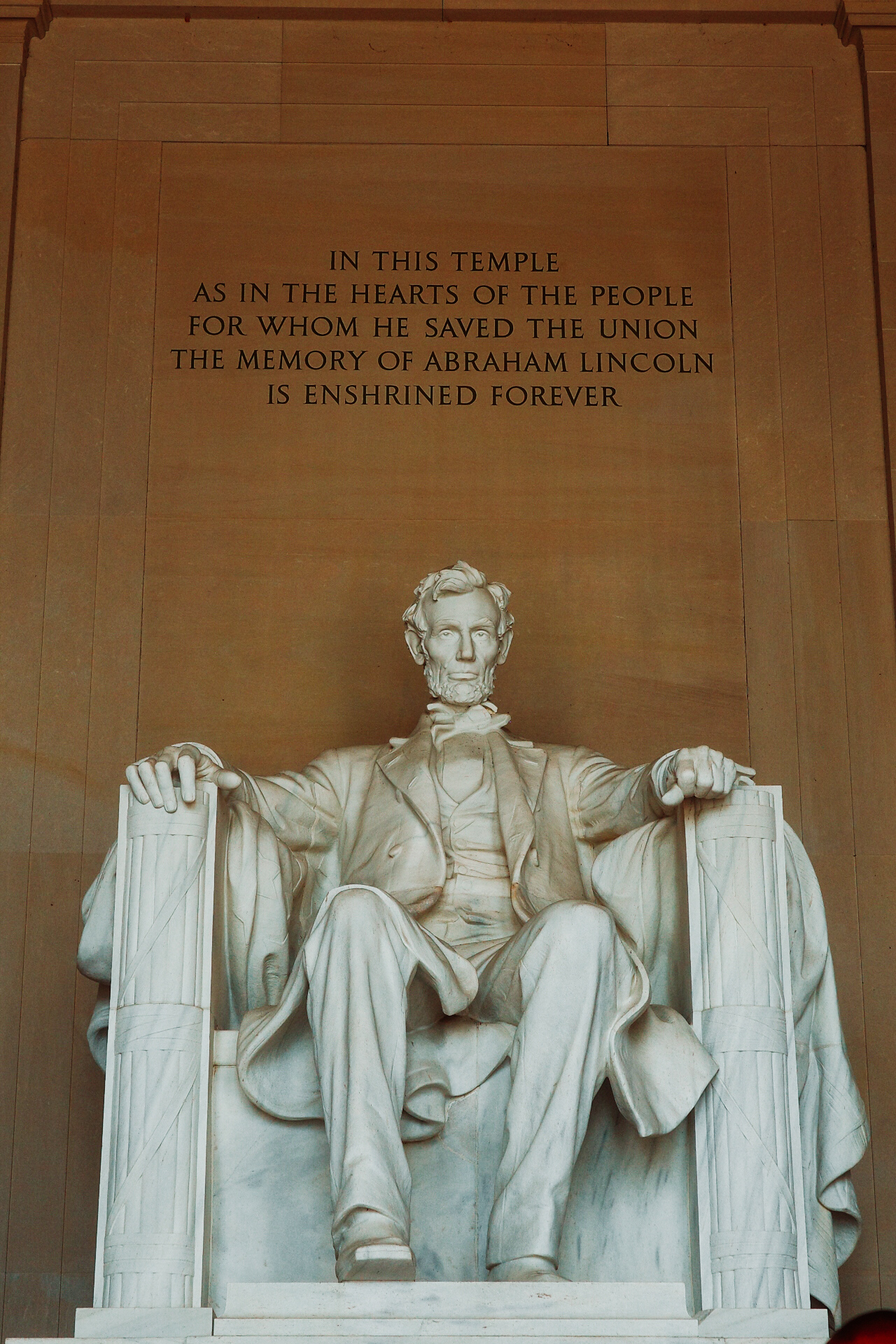
There’s a scene in one of my favorite ’90s music documentaries, Starshaped, where Blur visits Stonehenge. Asked what they think of a “circle of stones in the middle of nowhere,” they shrug: “It’s a bit like seeing Morrissey… not as big as you think.”
That’s exactly how I felt at the Lincoln Memorial.
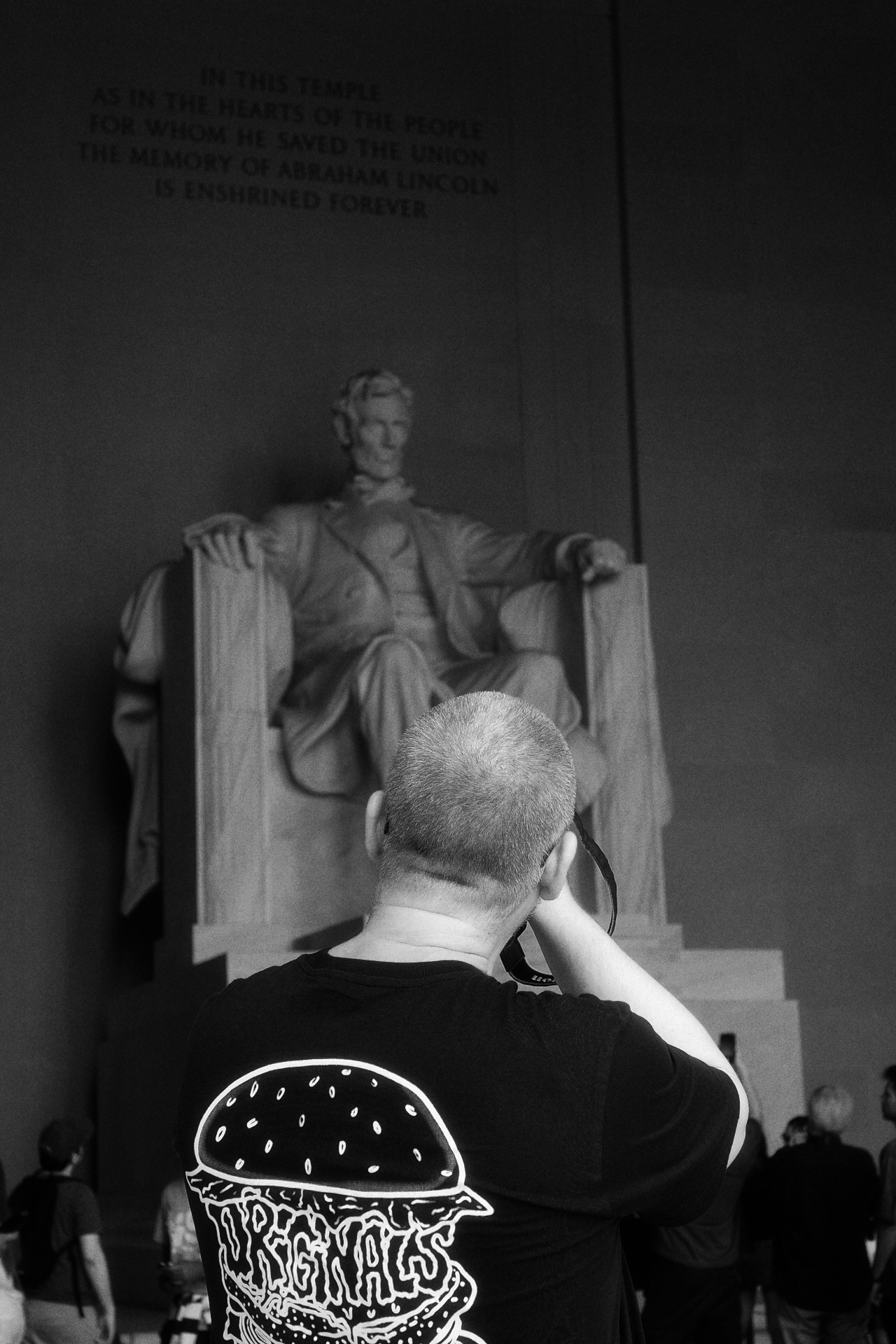
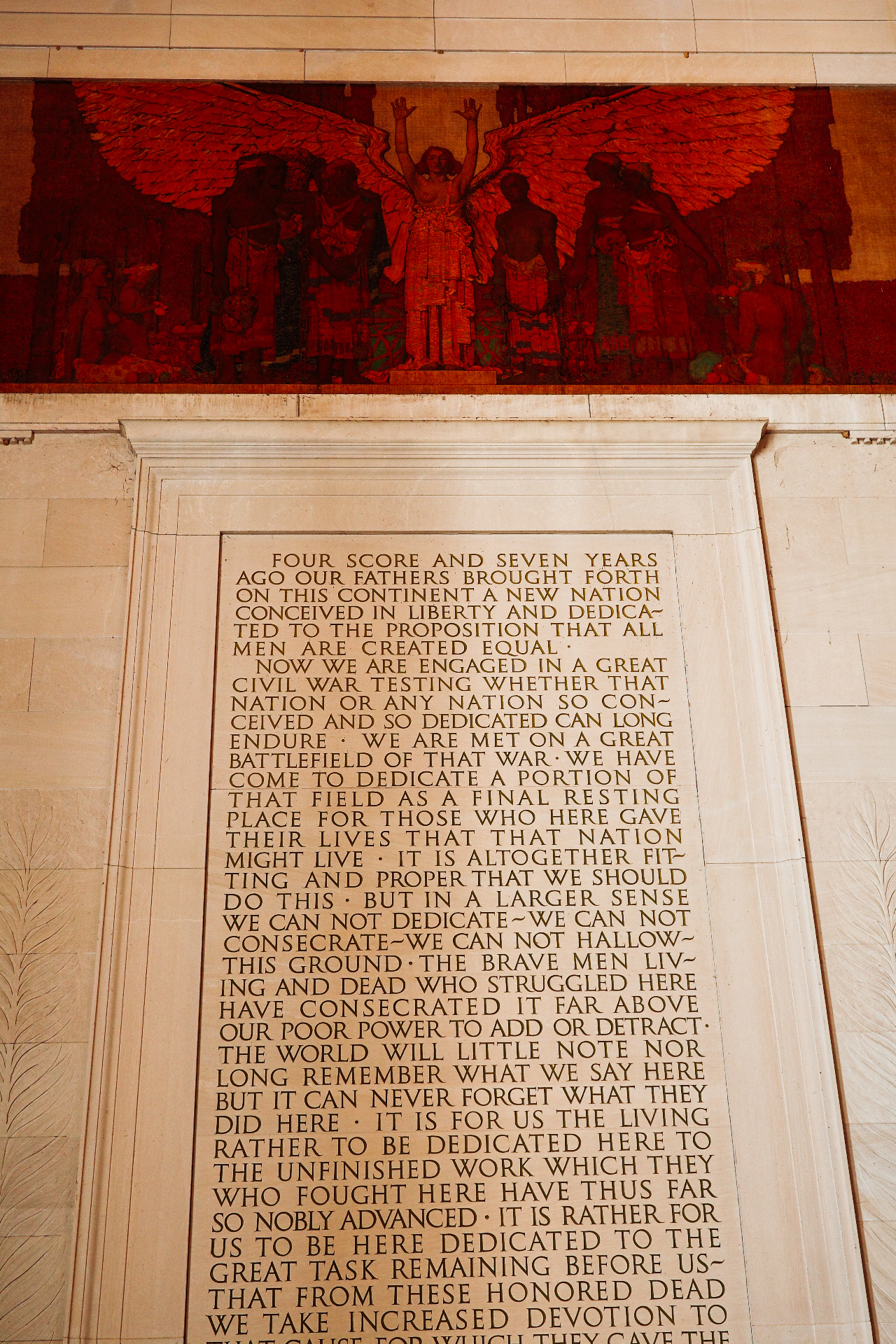
Inside, Lincoln’s words loom large on the walls—echoes of an America I’m not sure ever truly existed, except in our collective imagination. The monument itself is an artist’s composition: Lincoln’s gaze stretching past the Reflecting Pool, to the Washington Monument, and beyond that, the White House. It’s a perfectly staged vision of America as political philosophy—idealized, aspirational. And yet, now more than ever, that vision feels fragile: our freedom to speak, our privacy, even our ability to exist without constant surveillance from megacorporations, all feel under siege.
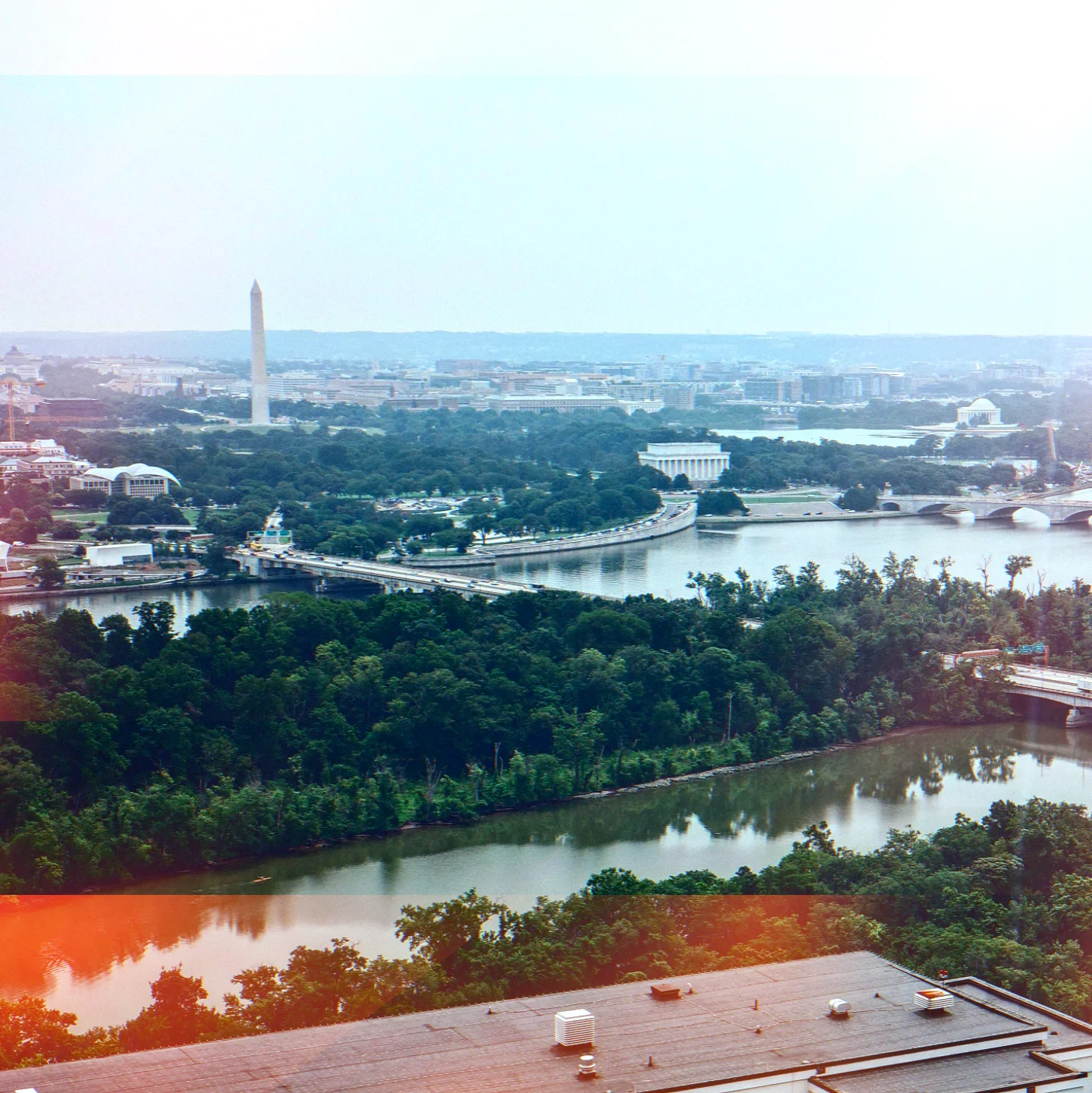
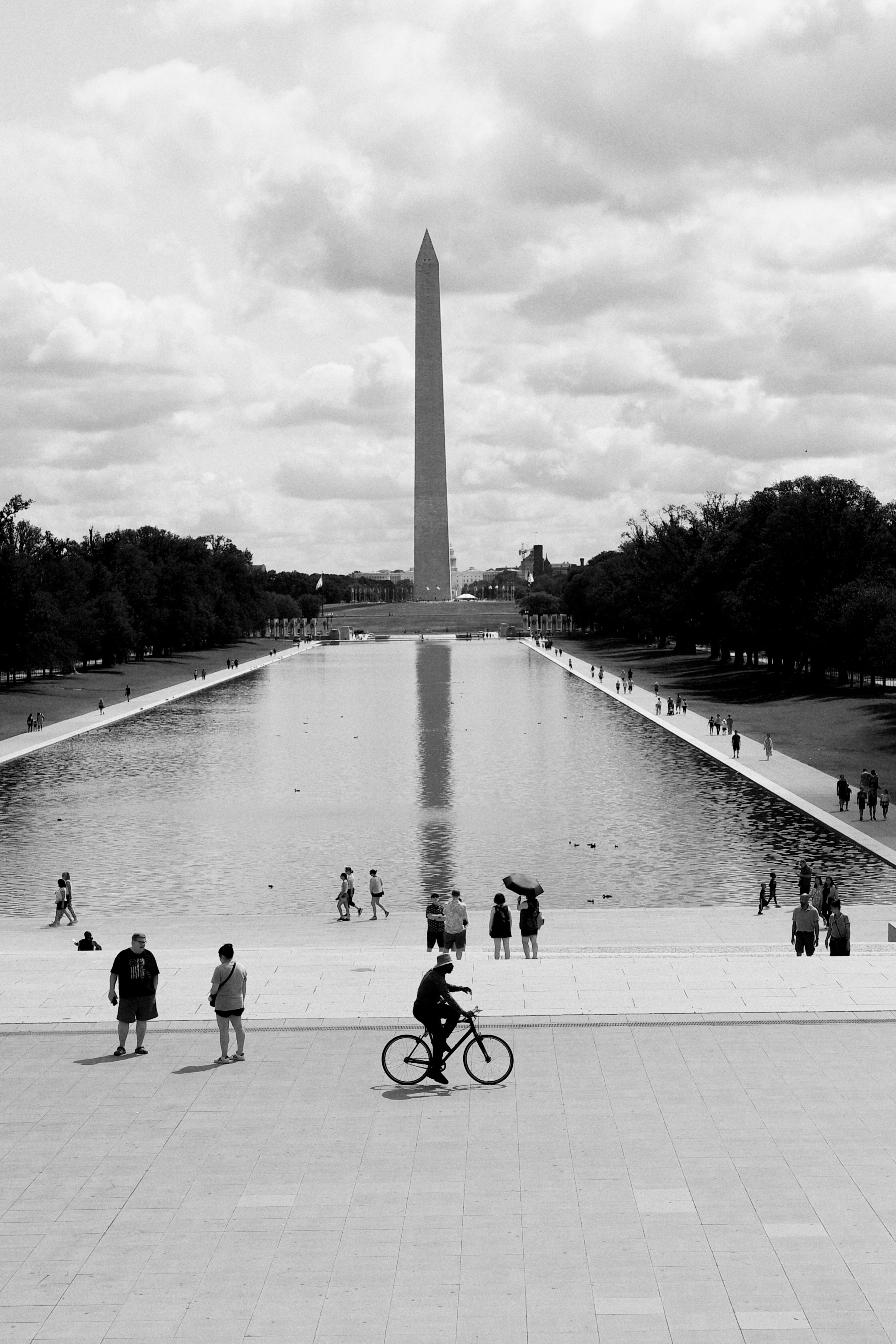
This place has been the backdrop for so many protests and reckonings—Vietnam, civil rights marches, vigils, rallies. It makes me wonder how our current moment will sit in the timeline of American history. Every generation thinks the world is ending, and yet history lurches forward.
No matter your politics, it’s hard to argue that being an American right now isn’t exhausting. 9/11 and the “war on terror” carved themselves into my psyche; life before 2001 feels almost like another country. Maybe it really was better, or maybe it only seemed that way. Either way, we’re here now, living in a nation with no real safety net, where even the act of getting through the day feels like a kind of quiet resistance.
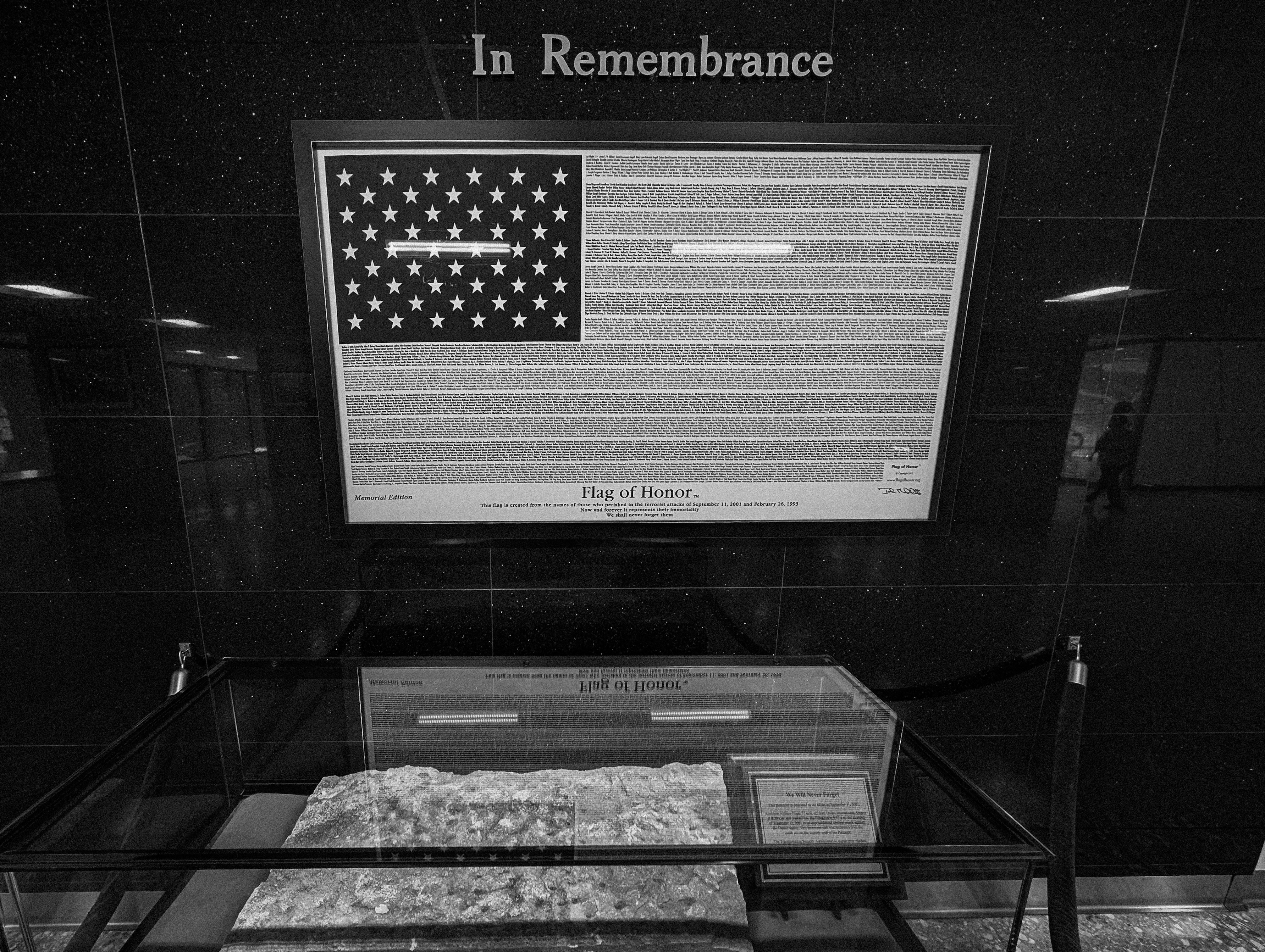
9/11 memorial inside the Dulles airport